
Are Asian Vegetables Profitable? Why More U.S. Farmers Are Growing Specialty Crops
The Short Answer: Yes, If You Have the Right Market
Many growers ask the same question before trying a new crop:
"Can I actually make money growing it?"
When it comes to Asian vegetables, the answer is often yes—but profitability depends on more than yield alone.
The most successful growers focus on three things:
Growing crops with proven market demand
Producing consistent, high-quality harvests
Having a reliable path to market before planting
That's why more farmers across the United States are exploring Asian vegetables as part of their crop diversification strategy.
These specialty crops serve established consumer markets, offer opportunities for higher revenue per acre, and help growers reduce dependence on traditional commodity pricing.
If you're looking for ways to improve farm profitability without expanding acreage, Asian vegetables deserve a closer look.
Why Demand for Asian Vegetables Keeps Growing
Demand for Asian vegetables has steadily increased across North America for several reasons:
Growing Asian populations
Increased interest in global cuisines
Expansion of specialty produce sections in grocery stores
Strong demand from wholesalers and distributors
Growth in restaurant and food-service markets
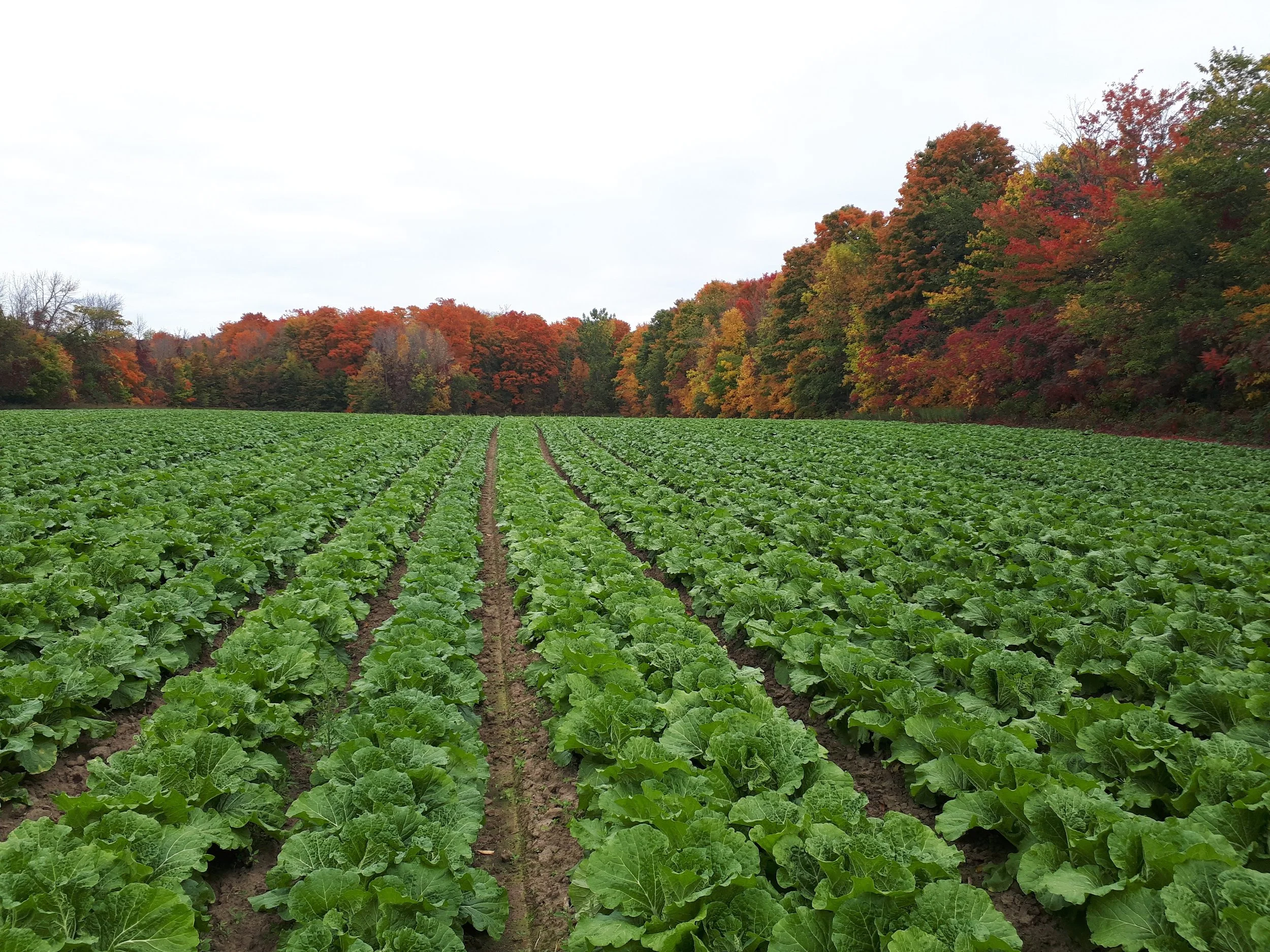
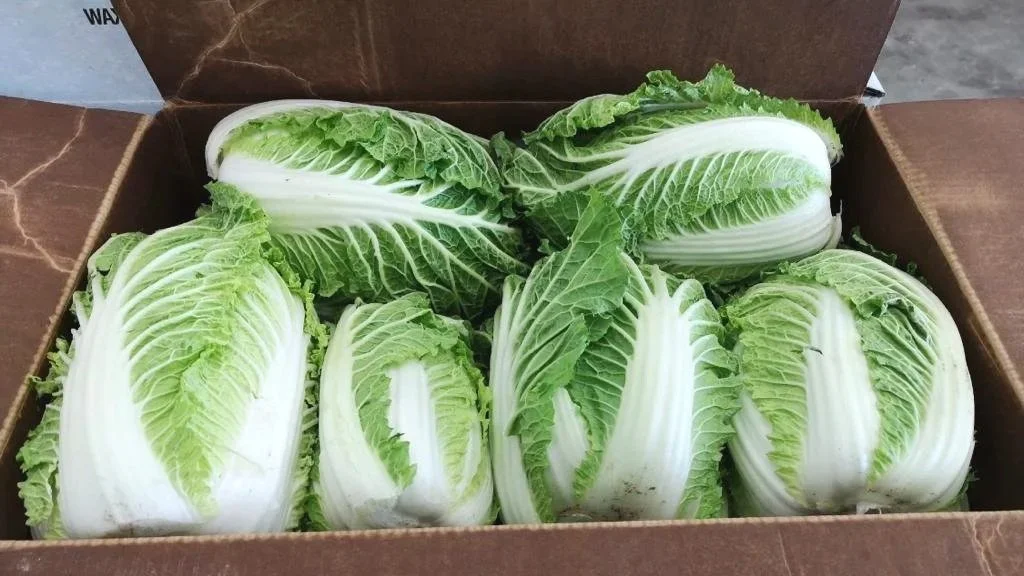
Today, vegetables like Napa cabbage, Korean radish, Lo Bok, and Kabocha squash can be found in mainstream supermarkets throughout the country.
This isn't a temporary food trend.
It's a long-term shift in consumer demand.
For growers, that creates opportunity.
What Are Asian Vegetables?
Asian vegetables are specialty crops commonly used in Chinese, Korean, Japanese, Vietnamese, and other Asian cuisines.
Some of the most commonly grown varieties include:
Napa Cabbage
A versatile cabbage used in everything from fresh salads to kimchi production.
Korean Radish
Known for its crisp texture and strong consumer demand.
Lo Bok
Also called Chinese radish, commonly used in soups, stir-fries, and pickled products.
Kabocha Squash
A premium winter squash valued for its sweetness and storage life.
Korean Melon
A specialty fruit with increasing market interest in North America.
These crops often serve dedicated consumer markets that actively seek them out year after year.
Are Asian Vegetables More Profitable Than Traditional Crops?
Profitability depends on production costs, yields, labor requirements, and market pricing.
However, many growers investigate Asian vegetables because specialty crops can generate significantly more revenue per acre than traditional field crops.
The key difference is this:
Commodity crops typically compete on volume.
Specialty crops compete on value.
For smaller farms, that distinction can be important.
When land is limited, increasing revenue per acre often matters more than increasing acreage.
That's why many profitable farming operations focus on high-value niche markets rather than attempting to compete solely on scale.
Why Small Farms Are Paying Attention to Specialty Crops
Many family farms face the same challenges:
Rising input costs
Labor shortages
Limited acreage
Tight margins
Market uncertainty
Buying more land isn't always realistic.
Improving profitability on existing acreage often is.
That's where crop diversification becomes a powerful strategy.
Adding specialty vegetables can help create additional revenue streams while reducing dependence on a single crop category.
For many growers, diversification isn't about replacing their current operation.
It's about strengthening it.
How Much Acreage Should You Start With?
One of the biggest mistakes growers make is planting too much too soon.
Successful specialty crop growers often begin with a small trial.
Starting with a few acres allows you to:
Learn production requirements
Understand labor needs
Evaluate disease pressure
Measure profitability
Test market opportunities
The goal isn't rapid expansion.
The goal is informed expansion.
Small trials provide real-world data that can guide future decisions.

What Makes Some Growers Successful With Asian Vegetables?
The most successful growers typically focus on:
Market Planning First
Before planting, they understand who will buy the crop and what quality standards are required.
Variety Selection
Choosing the right variety can significantly impact yield, quality, and marketability.
Consistency
Buyers value reliable quality and dependable supply.
Continuous Improvement
Successful growers monitor results, adjust practices, and optimize production systems season after season.
In specialty crops, attention to detail often separates average results from exceptional ones.
Common Mistakes Farmers Make When Entering Specialty Crop Markets
Planting Before Securing Market Access
Growing a crop without understanding demand creates unnecessary risk.
Expanding Too Quickly
A successful trial does not automatically justify large-scale expansion.
Ignoring Quality Standards
Specialty markets often have specific expectations regarding size, appearance, and consistency.
Underestimating Labor Requirements
Some specialty crops require more hands-on management than commodity crops.
Chasing Trends Instead of Demand
The best opportunities are built on established markets—not temporary hype.
Frequently Asked Questions
What is the most profitable farming per acre?
Profitability varies by region, market access, production costs, and crop selection. Many growers investigate specialty crops because they often offer higher revenue potential per acre than commodity crops.
Are Asian vegetables considered specialty crops?
Yes. Asian vegetables are generally classified as specialty crops because they serve targeted consumer markets and often command premium pricing.
Can small farms make money growing Asian vegetables?
Many small and mid-sized farms use specialty crops as part of a diversification strategy designed to improve profitability and maximize revenue from limited acreage.
Which Asian vegetables are most commonly grown in North America?
Popular crops include Napa cabbage, Korean radish, Lo Bok, Kabocha squash, and Korean melon.
Should I convert my entire farm to specialty crops?
Most successful growers start with trial acreage before making larger commitments.
The Opportunity Isn't Bigger Farming. It's Smarter Farming.
The farms that thrive over the long term aren't always the largest.
They're often the farms that adapt.
They pay attention to changing markets.
They explore new opportunities carefully.
And they focus on producing crops that customers actively want to buy.
Asian vegetables aren't the right fit for every farm.
But for growers looking to diversify income, improve profitability, and explore high-value specialty markets, they may be worth a serious look.
Sometimes the next opportunity isn't another acre.
It's a different crop.
Explore Specialty Crop Opportunities With Organzo
Organzo works directly with growers to identify profitable specialty crop opportunities, provide agronomic guidance, and help connect production with established markets.
If you're interested in learning whether Asian vegetables could fit your operation, we're here to help you evaluate the opportunity with practical, real-world insight.