
Most Profitable Specialty Vegetable Crops for Small Farms

If you’ve ever poured months into corn or soybeans only to break even, you’re not alone. For many small and mid-sized farms, every acre matters, and when margins tighten, choosing what you grow can be the difference between survival and success.
If you’ve been planting the same crops for years and wondering where the profit went, it might be time to explore specialty vegetable crops, high-value varieties with strong market demand and ready buyers.
Let’s dig into which vegetables are delivering solid returns for small farms, and how to make them work on your land.
Why Specialty Crops Earn More per Acre
Commodity crops like corn and soybeans dominate U.S. acreage, but they also come with:
Narrow profit margins.
High input costs.
Price volatility that’s outside your control.
Specialty crops, on the other hand, especially Asian vegetables such as Napa cabbage, Korean radish, and Lo Bok, offer real opportunities for small-scale profitability.
Here’s why they stand out:
Higher value per acre.
Steady, growing demand in ethnic and specialty markets.
Quicker crop turnovers for steady cash flow.
They may require more care, but that attention pays off especially when paired with a consistent buyer relationship.
Top 5 Profitable Specialty Vegetable Crops for Small Farms
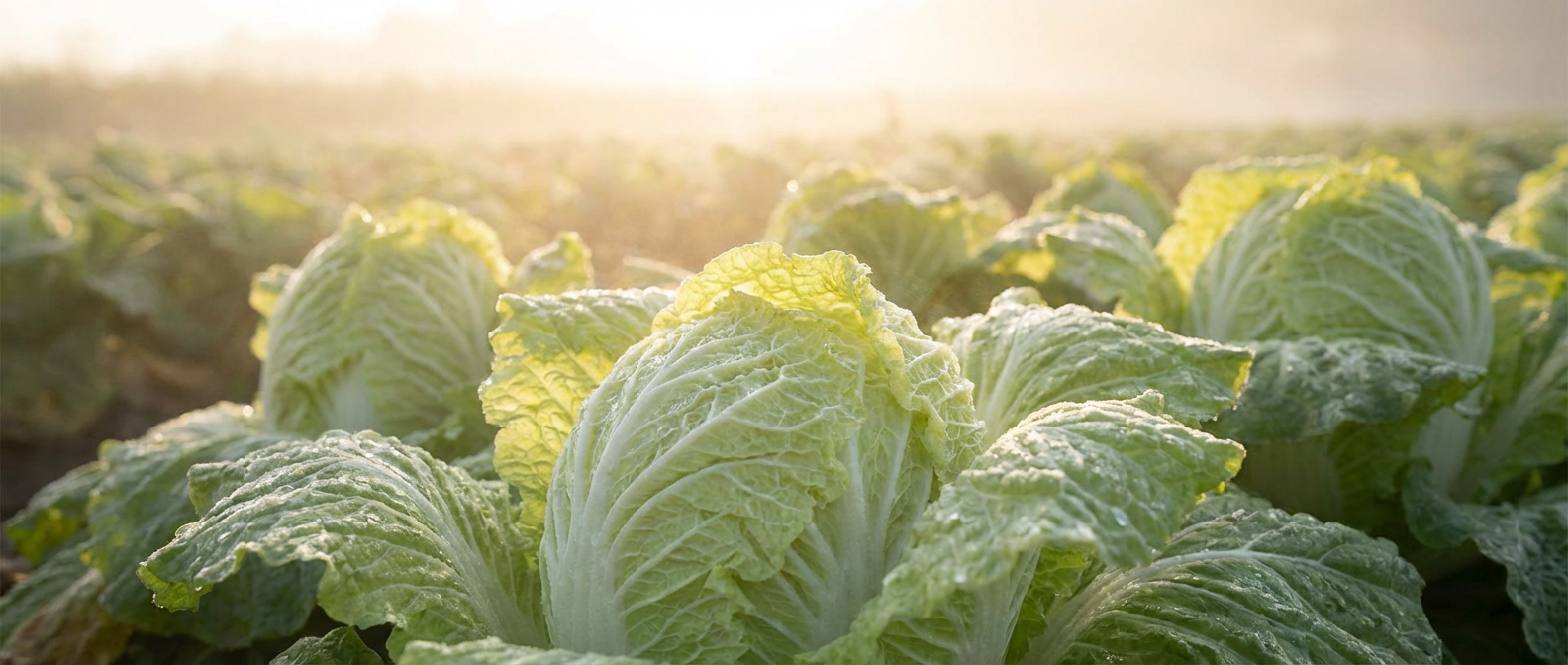
1. Napa Cabbage (Chinese and Korean varieties)
High market demand in Asian grocery and restaurant channels.
Multiple harvests per growing season.
Pro tip from Organzo: We source both Korean and Chinese-style Napa directly from growers — steady buyers mean predictable profits.
2. Korean Radish
Great export potential and strong domestic niche demand.
Excellent storage and transport qualities.
Consistent margins per acre when managed properly.
3. Lo Bok (Daikon-style radish)
Ideal for winter and spring rotations.
Popular in ethnic and fusion cuisine markets.
Adds valuable crop diversity to your rotation plan.
4. Kabocha Squash
Premium price point at farmers markets and in retail produce.
Excellent shelf life and transport durability.
Growing traction among chefs and health-conscious consumers.
5. Flat Cabbage (Taiwan Cabbage)
Sweet flavor and crunchy texture differentiate it from standard cabbage.
Increasing popularity in both traditional and fusion cooking.
High-yielding for small plots with dependable margins.
How to Make Specialty Crops Work on Your Farm
1. Start small and test smart.
Trial a quarter-acre or half-acre to see how a new crop fits your current setup. Track your inputs, yields, and market prices carefully.
2. Grow with a buyer in mind.
Profitability isn’t just about what you grow it’s about what you can sell reliably. Identify who needs your crops before planting (Asian grocers, local CSA programs, direct partnerships like ours).
3. Match crops to your soils and schedule.
Napa cabbage loves cooler weather, Korean radish handles rotation diversity, and Kabocha stores long. Line up your varieties to hit different market windows.
4. Work with a partner who understands profitable growing.
That’s where we come in.
Why Organzo Works for Specialty Growers
We’re not a broker. We’re not a middleman.
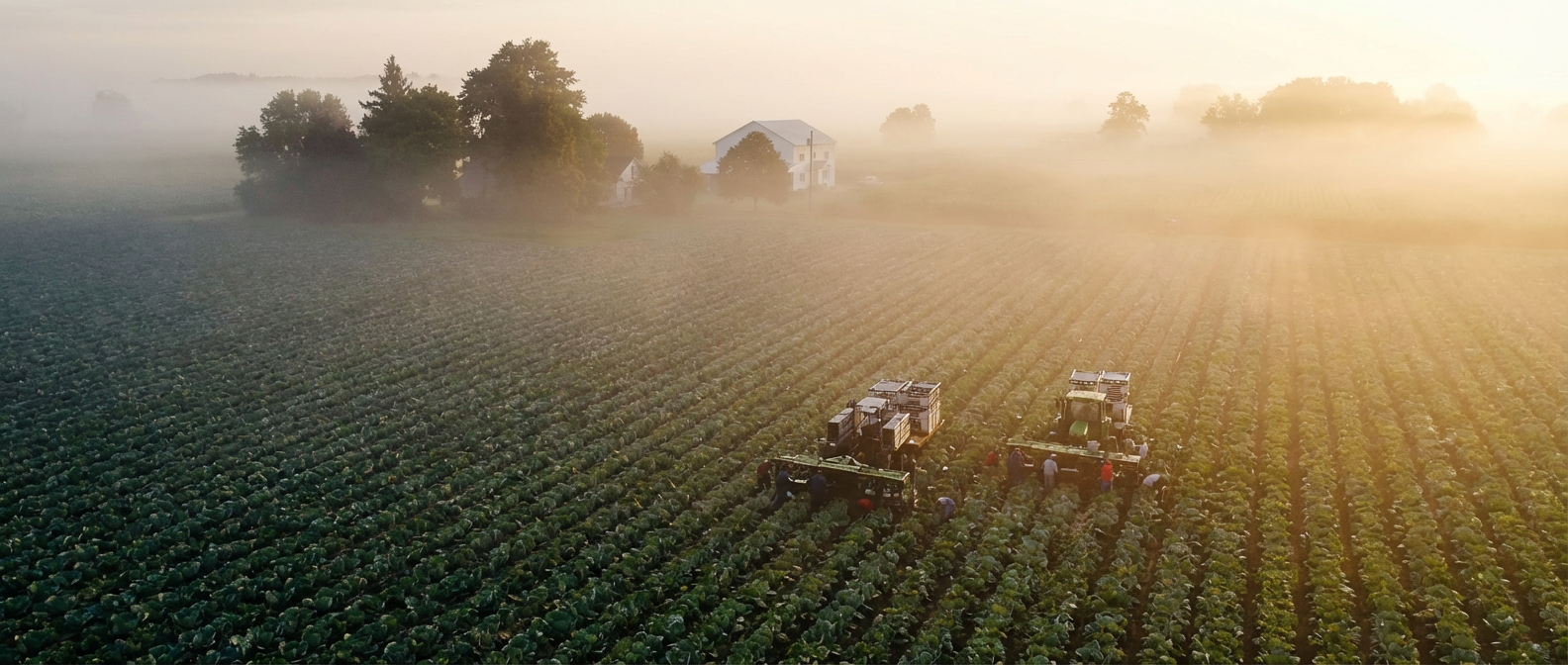
We’re your farming partner helping you plan profitable crops, buy directly from your harvest, and build steady market connections that last.
When you grow with Organzo, you get:
No guesswork: Data-driven crop planning and market forecasts.
No chasing buyers: We purchase directly from our network farms.
Full transparency: From seed to sale, we share the real numbers.
You focus on farming. We’ll handle the markets.
Ready to Add a Profitable Crop This Season?
Whether you’re testing your first half-acre or scaling your specialty lineup, our team will help you plan, plant, and profit confidently.
Let’s make your next harvest your most successful one yet.
#groworganzo
Helping small farms win one smart crop at a time.