
How to Grow Korean Melon in the Southeast:

You don't need a hundred acres to make real money farming. You need the right crop, the right conditions, and someone willing to buy it. Korean melon - called Chamoe in Korean - checks all three boxes for Southeast growers, and most of your neighbors haven't figured that out yet.
That window won't stay open forever.
Korean melon is a small, bright yellow oval with distinctive white stripes running lengthwise. It's crisp, mildly sweet, and it moves fast in Asian grocery stores, specialty markets, and ethnic food retailers across the country. Demand is climbing. Supply from domestic growers is thin. And if you've got good sandy loam, reliable heat, and two or three months to dedicate to a high-value planting - you're already in a better position than you probably realize.
What Is Korean Melon?
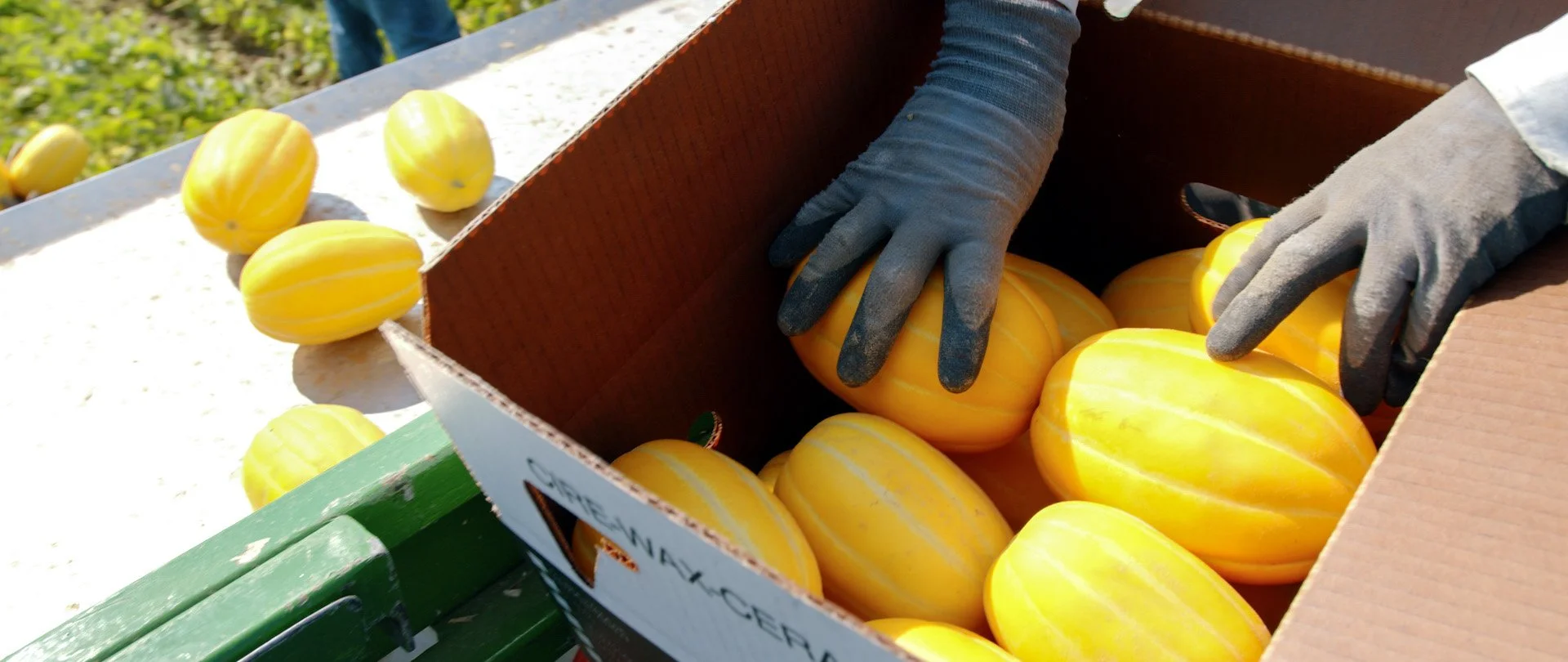
Korean melon (Cucumis melo var. makuwa) is a traditional Asian melon that looks nothing like the cantaloupes and honeydews you're used to seeing on produce shelves. It's smaller - roughly the size of a large mango - and the skin is vivid yellow with pale cream-to-white stripes running from stem to tip.
Inside, the flesh is white and lightly sweet, with a texture somewhere between cucumber and honeydew. It's eaten fresh, served as a dessert fruit, and used in Korean cooking and snacking culture. Peel it, slice it, done. No fuss.
It's a staple in Korean households, and as the Korean-American population grows and mainstream food culture keeps expanding into specialty produce, the retail demand has followed. This isn't a niche-of-a-niche crop. It's an established food with an established audience that doesn't have enough domestic supply to meet it.
Why Southeast Farmers Are Positioned to Win
Chamoe is a warm-season crop that wants heat. It wants humidity. It does not want frost, it does not want cold nights, and it does not want a short growing window. Sound familiar? The Southeast US - Georgia, the Carolinas, Alabama, Tennessee, Mississippi, Florida - gives this crop almost exactly what it needs. Long summers. Warm nights. Plenty of sunshine. The same climate that makes it hard to grow premium cool-season crops gives you a serious edge here.
On top of that, you're geographically close to major markets with large Korean and broader Asian-American populations - Atlanta, Charlotte, Nashville, Raleigh, Tampa. Logistics are manageable. Freight lanes exist. You're not shipping from the opposite coast. This is a case where where you already are is an asset.Ready to Grow Something That Pays?
Growing Conditions: What Korean Melon Actually Needs
Timing
Korean melon is not a spring crop in the traditional sense. It wants warm soil and warm air before it goes in the ground.
- Start transplants indoors: 3 to 4 weeks before your last frost date
- Transplant to field: When soil temps are consistently at or above 65 degrees F and nighttime air temps are reliably above 55
- Peak growth window in the Southeast: Late April through June transplant window, targeting a July through August harvest
- Days to maturity: 70 to 90 days from transplant, depending on variety and conditions
A second planting in late June or early July for a September harvest is worth considering in warmer zones. In parts of Florida and coastal Georgia, you may have even more flexibility.
Soil
Korean melon performs best in well-drained sandy loam with good organic matter. pH should sit between 6.0 and 6.8. Waterlogged soil will kill the roots fast - Chamoe does not tolerate wet feet.
Raised beds or slightly mounded rows help with drainage if your soil runs heavy. Work compost in before planting. These plants are heavy feeders and they'll reward good soil prep.
Varieties
Look for varieties developed for Asian markets. Common names include Chamoe (the generic term), Soomee, Gold Pride, and Korean Gold. Seed sources like Johnny's, Kitazawa Seed, and specialty Asian seed suppliers carry reliable options. Stick with proven varieties for your first season - this isn't the time to experiment with untested genetics.
Spacing
- Plant spacing: 18 to 24 inches within rows
- Row spacing: 5 to 6 feet to allow vine spread and airflow
- Trellis or ground culture: Both work. Trellised plants produce cleaner fruit and are easier to scout and harvest. Ground culture works fine on smaller plots
Pest and Disease Pressure
The same heat and humidity that helps this crop grow also creates pest and disease pressure. Plan for it.
Common pests:
- Cucumber beetles (both striped and spotted) - use row covers early, scout aggressively after removal
- Squash vine borer - less severe on melons than squash but worth watching
- Aphids - monitor the undersides of leaves, especially as canopy fills in
Common diseases:
- Powdery mildew - maintain airflow, avoid overhead irrigation if possible, consider resistant varieties
- Downy mildew - becomes a factor in wet summers, fungicide program helps
- Gummy stem blight - rotate crops, use clean seed, avoid working fields when wet
Standard integrated pest management practices apply. Nothing exotic here, just consistent scouting and timely response.Harvest and Handling
This is where Korean melon differs from a lot of other crops - you have to pay attention.
Chamoe does not slip off the vine like a cantaloupe. Visual and tactile cues matter:
- Skin turns bright yellow (full, even color across the fruit)
- White stripes become more pronounced
- Slight softening at the blossom end
- A light, sweet melon fragrance
- The stem does not slip - you'll cut it with a small section of stem attached
Harvest in the morning when temperatures are cooler. Handle gently - the skin bruises easier than it looks. Grade carefully. Buyers in the specialty produce market expect clean, consistent fruit. Seconds and culls are your problem, not theirs.
Post-harvest, cool immediately. Korean melon holds well at 45 to 50 degrees F with moderate humidity. Shelf life is generally 2 to 3 weeks under proper storage.
The Market Opportunity
Here's the honest picture.
Asian grocery chains - H Mart, Lotte, 99 Ranch, regional independents - move a lot of Korean melon. Most of what they sell comes from imported supply or West Coast growers. Domestic Southeast supply is almost nonexistent.
That gap is the opportunity.
Specialty produce buyers and distributors serving the Asian-American grocery market are actively looking for reliable domestic sources. Fresher product. Shorter transit. More control. The demand is not speculative - it's documented buying behavior at retail that currently isn't being met by nearby domestic growers.
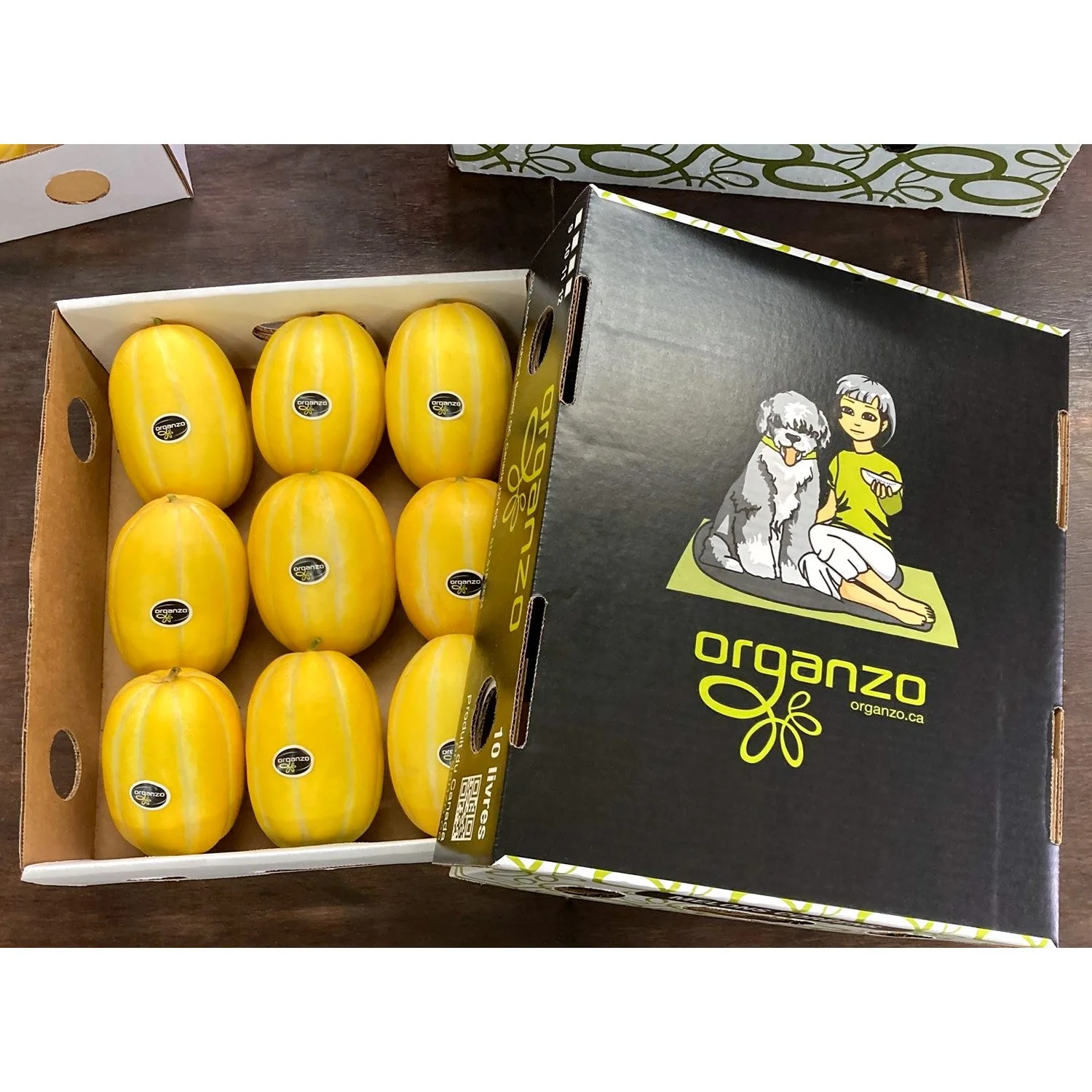
Organzo buys Korean melon directly from partner growers. No broker in the middle. No hunting for buyers, no cold-calling grocery stores, no wondering who's going to take your crop. Organzo handles the sales channel. You grow the melon.
Making the Numbers Work on Small Acreage
Korean melon is a high-value specialty crop, which means the economics scale even on smaller plantings.
Consider a one-acre planting as a baseline. At typical plant spacing and with solid field management, you're looking at yields in the range of 8,000 to 15,000 pounds per acre depending on conditions, variety, and your execution. Premium specialty crops like this command meaningfully higher prices per pound than commodity melons - the exact price point Organzo offers is determined during your grower intake process, but the category premium is real and documented in specialty produce markets.
The cost side is manageable too. Korean melon isn't dramatically more expensive to grow than other warm-season melons. Your major inputs are transplants or seed, fertility, irrigation, and labor at harvest. If you're already set up for cucurbit production, a lot of the infrastructure transfers directly.
The key is that you're not gambling on finding a buyer after you've already grown the crop. Organzo buys it. That changes the math entirely - because the risk of an unsold harvest is off the table before you put a transplant in the ground.
What This Crop Is Not
Korean melon is not a set-it-and-forget-it situation. It rewards attention.
This is not a crop to grow if you're not willing to scout for pests consistently, manage irrigation carefully, and harvest on time. Chamoe ripens in a window - miss it and quality drops fast. Harvest too early and you've got unripe fruit that won't meet buyer spec.
It's also not a crop for poorly drained fields or heavy clay without amendment. Water management matters.
And it's not a crop where you can push on volume and cut corners on quality. Specialty produce buyers are paying a premium because they expect consistent, clean, properly graded fruit. Bring them that and you have a long-term relationship. Bring them inconsistency and the conversation ends quickly.
If you can manage a cucurbit crop with discipline, you can grow Korean melon. If you're looking for something easier than that - this isn't it.
Ready to Grow? Here's Your Next Step.
Organzo isn't looking for a hundred growers. They're looking for the right growers - people who take their operation seriously, who grow clean product, and who want a direct buyer relationship instead of chasing markets on their own.
If that's you, the conversation starts with a free Grower Strategy Session. You'll talk through your operation, your acreage, your existing infrastructure, and whether Korean melon fits what you've got. No pressure, no commitment required to have the call.
You grow it. Organzo buys it. That's the deal.
Click below to schedule your free Grower Strategy Session.